Source residue free dishwasher pods for Tableware, Appliances, and Produce
Source residue free dishwasher pods from 30 verified listings. Compare features like strong decontamination, oil removal, and eco-friendly formulations for kitchen tableware, household appliances, and fruit cleaning needs.
Key considerations
Products List






Comprehensive Sourcing Guide
Residue Free Dishwasher Pods Sourcing Guide
Sourcing residue-free dishwasher pods requires a strategic approach to balancing cleaning efficacy with material safety, particularly when targeting markets that prioritize eco-friendly and non-toxic formulations. The available product data indicates a strong focus on decontamination and oil removal capabilities, with specific attributes highlighting "Strong Decontamination" and "Strong Oil-Removal" as primary performance drivers. Buyers must verify that these cleaning claims translate into actual residue-free outcomes by examining the active ingredient content, which is observed in the market to range between 15% and 30%, ensuring sufficient potency without leaving harmful chemical films on tableware or cookware.
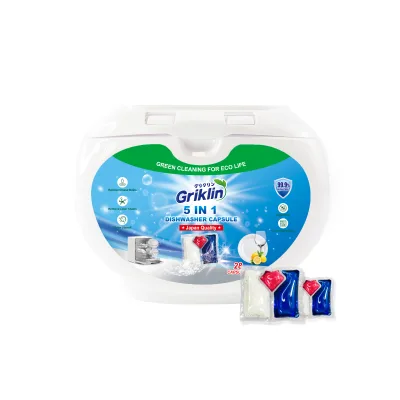
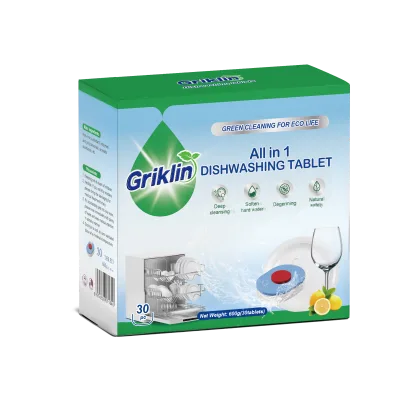
The commercial landscape for these products is characterized by significant customization potential, with suppliers offering OEM and ODM processing types to meet specific brand requirements. While the observed listings include various model numbers such as EJOY0601 and xdp14, the core product identity remains consistent as dishwasher pods or tablets designed for household appliances. Procurement teams should prioritize suppliers who can demonstrate flexibility in packaging, such as the observed 30 pieces per box configuration, while maintaining the structural integrity of the pods to prevent premature dissolution or leakage during transit.
Product Scope and Observed Listing Signals
The product scope for residue-free dishwasher pods extends beyond simple dishwashing to include applications for fruit and vegetable cleaning, as well as general household appliance maintenance. The observed usage data confirms versatility across tableware, cookware, and produce, suggesting that effective formulations must be safe for food-contact surfaces while maintaining high cleaning standards. Buyers should look for products explicitly labeled with "Unscented" or "Natural" fragrance profiles to align with residue-free goals, as strong artificial scents can sometimes indicate the presence of masking agents that may leave behind unwanted residues on sensitive kitchen surfaces.
Listing signals reveal a diverse range of physical specifications, including single package sizes ranging from 5x4x4 cm to 8x8x3 cm, and varying gross weights per unit. The presence of "Disposable" and "Eco-Friendly" attributes in the product features suggests a growing market demand for sustainable packaging and biodegradable pod films. However, buyers must critically assess these claims against the actual product composition, as the term "Eco-Friendly" is often used broadly; the specific observation of "Natural" fragrance and "Cleans, removes stains" effects provides a more tangible basis for evaluating the environmental impact and cleaning performance of the specific pod formulation.
Technical Specifications to Verify
Technical verification begins with the physical dimensions and packaging standards, which are critical for logistics and storage efficiency. The observed product standards list specific dimensions such as 175x205mm and 272x198x89mm, likely referring to carton or bulk packaging sizes rather than individual pod dimensions. Procurement teams must request detailed single-package specifications to ensure compatibility with automated filling lines and retail shelving, as the observed single package sizes of 5x4x4 cm and 8x8x3 cm indicate significant variation in how different manufacturers package their 28-piece or 30-piece units.
The chemical composition and active ingredient concentration are paramount for ensuring a residue-free result. The data indicates an active ingredient content range of 15% to 30%, which serves as a baseline for potency but requires validation to ensure it does not exceed safety thresholds for food contact. Buyers should verify the specific formulation of the "Deep Cleaning" and "Cleaning" functions to confirm that the surfactants and enzymes used are fully soluble and rinse away completely, preventing the buildup of soap scum or mineral deposits on glassware and metal cookware.
Compliance and Safety Documentation
Compliance and safety are non-negotiable for dishwasher pods, given their direct contact with food preparation areas and the potential for ingestion risks. The observed qualification certificates include ISO and MSDS (Material Safety Data Sheet) documentation, which are essential for verifying the chemical safety profile of the product. Buyers must ensure that the MSDS is current and specifically addresses the "Unscented" or "Natural" fragrance variants to confirm the absence of allergens or toxic residues that could compromise food safety standards.
ISO9001 certification is a key indicator of a supplier's commitment to quality management systems, which directly impacts the consistency of the residue-free performance. While the data confirms the presence of ISO9001 and ISO certifications, procurement teams should verify that these certifications cover the specific manufacturing processes for the dishwasher pods, including the mixing and encapsulation stages where residue risks are highest. Additionally, the "Qualification Certificate" should be cross-referenced with local regulatory requirements in the target market to ensure the product meets all necessary safety and labeling standards for household chemicals.
Cost Drivers and Commercial Terms
Cost drivers for residue-free dishwasher pods are heavily influenced by the level of customization and the complexity of the active ingredient formulation. The observed MOQ of 10,000 units suggests that economies of scale play a significant role in pricing, with smaller orders likely commanding a premium. Buyers should anticipate that customizing the fragrance to "Lemon" or "Unscented," or adjusting the active ingredient content within the 15-30% range, will impact the unit cost, as specialized formulations require dedicated production runs and quality control measures.
Commercial terms must account for the variability in packaging and shipping specifications observed in the market. With single gross weights of 0.200 kg and varying package sizes, logistics costs can fluctuate significantly depending on the density of the shipment. Buyers should negotiate terms that address the "Carton" packing standard and ensure that the supplier provides clear lead times and shipping terms, as the "Stocked" availability of certain models like EJOY053 or EJOY-XIWAN5 may offer faster delivery but potentially less flexibility in customization compared to OEM orders.
Supplier Qualification and Quality Control
Supplier qualification should prioritize manufacturers with proven OEM/ODM capabilities and a track record of producing consistent pod shapes and sizes. The observed product models, including EJOY0601 and xdp14, indicate a range of production capabilities, but buyers must verify that the supplier can maintain the "pods" shape integrity and the "Disposable" nature of the product without compromising the dissolution rate. Quality control processes should include rigorous testing for the "Strong Decontamination" and "Strong Oil-Removal" claims to ensure that every batch meets the performance standards required for residue-free cleaning.
Quality control protocols must also address the consistency of the active ingredient content and the absence of foreign materials. Given the "Deep Cleaning" function, suppliers should implement in-process checks to ensure that the 15-30% active ingredient range is maintained across all production batches. Buyers should request sample testing results that specifically measure residue levels on cleaned surfaces, as the "Cleans, removes stains" effect must be validated through empirical data rather than relying solely on the supplier's marketing claims or general product descriptions.
Long-Term Procurement Checks
Long-term procurement success depends on establishing a robust framework for continuous quality monitoring and supplier performance evaluation. Buyers should implement periodic audits to verify that the supplier maintains their ISO9001 certification and continues to adhere to the specified MSDS and qualification certificates. Regular sampling and testing of the "Unscented" or "Lemon" fragrance variants are essential to detect any drift in formulation that could lead to residue buildup or changes in cleaning efficacy over time.
Strategic partnerships with suppliers who offer flexible customization and reliable stock availability will mitigate supply chain risks and ensure consistent product quality. The observed "Customized" and "Customized" attributes suggest that suppliers are willing to adapt to changing market needs, but buyers must formalize these agreements to guarantee that the "EJOY" series or other model numbers remain available with consistent specifications. Long-term checks should also include a review of the "Place of Origin" and "Production Location" to ensure that the manufacturing environment remains stable and compliant with international safety standards.
FAQs
What certifications do these dishwasher pods have?
The products hold ISO9001 certification and are supported by MSDS documentation. This ensures that the manufacturing processes meet international quality management standards. Buyers can rely on these credentials for compliance and safety verification when sourcing cleaning tablets for household or commercial use.
Can I customize the packaging for these dishwasher pods?
Yes, customization is available for both the product and its packaging. The items are typically packed in cartons, but OEM and ODM services allow for tailored solutions. This flexibility supports brands seeking specific labeling or bulk packaging configurations to meet their distribution requirements.
What is the minimum order quantity for these pods?
The standard minimum order quantity is 10,000 units. However, observed ranges indicate that some suppliers may accept orders as low as 1 unit. Buyers should verify specific MOQ requirements with individual manufacturers, as policies vary based on customization needs and production capacity.
Are these dishwasher pods suitable for kitchen appliances?
Yes, they are designed for cleaning household appliances, tableware, cookware, and fruits or vegetables. The formula provides strong decontamination and oil removal capabilities. These features make them effective for maintaining hygiene in kitchen environments while ensuring safe contact with food preparation surfaces.
What active ingredients are contained in these tablets?
The active ingredient content ranges from 15% to 30%. This concentration supports deep cleaning and stain removal functions. The formulation is designed to be effective yet safe, with options for unscented or natural fragrance profiles to suit different consumer preferences and sensitivity requirements.
Where are these dishwasher pods manufactured?
These products originate from Guangdong, China. The manufacturing facilities offer OEM and ODM customization services. This location is a known hub for daily chemical production, providing access to established supply chains and efficient logistics for international buyers seeking reliable sourcing partners.